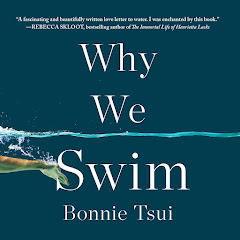
Why We Swim
Bonnie Tsui
এপ্রি ২০২০ · Dreamscape Media · Angie Kane-এর কণ্ঠে
star
১টি রিভিউ
headphones
অডিওবুক
6 ঘণ্টা 35 মিনিট
সংক্ষিপ্ত নয়
family_home
উপযুক্ত
info
ফ্রিতে 9 মিনিট নমুনা চান? যেকোনও সময় শুনুন, এমনকি অফলাইন থাকার সময়ও।
জুড়ুন
এই অডিওবুকের বিষয়ে
Humans, unlike other animals that are drawn to water, are not natural-born swimmers. We must be taught. Our evolutionary ancestors learned for survival; now in the twenty-first century, we swim in freezing Arctic waters and piranha-infested rivers to test our limits. Swimming is an introspective and silent sport in a chaotic and noisy age; it’s therapeutic for both the mind and body; and it’s an adventurous way to get from point A to point B. It’s also one route to that elusive, ecstatic state of flow. These reasons, among many others, make swimming one of the most popular activities in the world. Why We Swim is propelled by stories of Olympic champions, a Baghdad swim club that meets in Saddam Hussein’s palace pool, modern-day Japanese samurai swimmers, and even an Icelandic fisherman who improbably survives a wintry six-hour swim after a shipwreck. New York Times contributor Bonnie Tsui, a swimmer herself, dives into the deep, from the San Francisco Bay to the South China Sea, investigating what it is about water—despite its dangers—that seduces us, tempting us to come back to it again and again.
Humans, unlike other animals that are drawn to water, are not natural-born swimmers. We must be taught. Our evolutionary ancestors learned for survival; now in the twenty-first century, we swim in freezing Arctic waters and piranha-infested rivers to test our limits. Swimming is an introspective ...
আরও খুঁজুন
রেটিং ও পর্যালোচনাগুলি
১টি রিভিউ
এই অডিওবুকের রেটিং দিন
আপনার মতামত জানান।
কীভাবে শুনবেন
স্মার্টফোন এবং ট্যাবলেট
Android এবং iPad/iPhone এর জন্য Google Play বই অ্যাপ ইনস্টল করুন। এটি আপনার অ্যাকাউন্টের সাথে অটোমেটিক সিঙ্ক হয় ও আপনি অনলাইন বা অফলাইন যাই থাকুন না কেন আপনাকে পড়তে দেয়।
ল্যাপটপ ও কম্পিউটার
আপনি আপনার কম্পিউটারের ওয়েব ব্রাউজারের ব্যবহার করে Google Play তে কেনা বইগুলি পড়তে পারেন।


